Indulge Life is Sweet: A Designer's Embroidery Review
As a designer who has spent years navigating the intersection of digital art and physical stitching, I approach every new machine embroidery design with a critical eye. The market is flooded with generic patterns, but finding a piece that balances personality with technical feasibility is rare. Recently, I evaluated a design titled Indulge Life is Sweet, created by a graphic designer from Bangladesh with three years of experience in Adobe Illustrator and Photoshop. While the origin story highlights a background in Graphics, the real test lies in how this file translates from a screen to a finished product.
The First Impression: Mood and Visual Personality
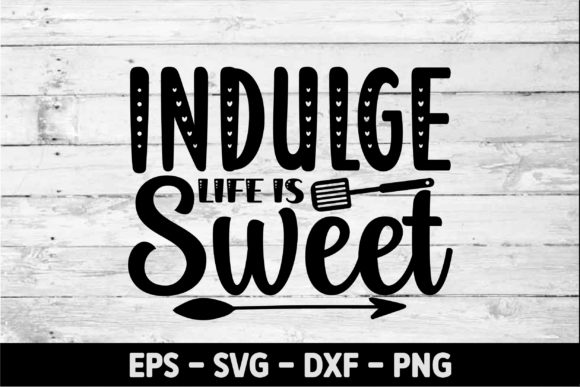
At first glance, Indulge Life is Sweet exudes a warm, inviting energy perfect for the kitchen or home decor niche. The phrase itself suggests a cozy, comforting sentiment, making it an ideal candidate for custom apparel or household textiles. The layout appears clean, avoiding the cluttered aesthetic that often plagues amateur designs. However, as someone who reviews files for commercial viability, my immediate concern was not the concept, but the execution of the typography and any accompanying iconography within the embroidery file.
The design feels like it belongs in the Crafts category, specifically targeting those looking to add a touch of humor and warmth to their handmade goods. It has the potential to be a standout item on an Etsy shop or a craft fair booth, provided the stitch count and density are managed correctly. The visual weight of the text suggests it could work well as a focal point on a tote bag or a chest pocket on a sweatshirt, but it requires careful consideration regarding where the curves and serifs land during the digitization process.
Real-World Application: From File to Fabric
To truly understand the value of Indulge Life is Sweet, I imagined a specific project: creating a set of personalized kitchen towels and aprons for a small boutique owner. This scenario is common for Etsy sellers and small shop product creators who need reliable assets to build a cohesive brand. In this context, the design serves as more than just decoration; it becomes a statement piece that defines the shop's identity.
When visualizing this on a cotton tea towel, the fill stitch areas would need to be dense enough to prevent the fabric weave from showing through, yet loose enough to allow the material to remain soft after washing. If the design includes decorative flourishes, they would likely rely on satin stitch. For a tote bag design, the durability of these stitches becomes paramount. Customers buying a "Life is Sweet" tote expect it to survive grocery runs and daily use without fraying. The contrast between the thread colors and the canvas color will dictate whether the message pops or gets lost in the texture of the fabric.
I also considered using this for sweatshirt embroidery. Here, the stretch of the knit fabric introduces variables that a static digital embroidery file might not account for. If the design is too large or the stitch density is too high, the garment could pucker, ruining the professional look. Conversely, on a structured item like a pillow cover or an embroidered patch, the stability of the base allows for more intricate detailing. The versatility of Indulge Life is Sweet depends heavily on the substrate chosen by the maker.
Strategic Placement and Product Value
The placement of this design significantly impacts its perceived value. On a baby onesie, the sentiment is sweet, but the size must be scaled down carefully to ensure the lettering remains legible. Tiny lettering is a common pitfall in baby embroidery; if the details are too fine, the machine may struggle, resulting in broken threads or muddy text. For holiday embroidery projects, such as Christmas stockings or gift bags, the cheerful tone fits perfectly. However, for commercial embroidery intended for corporate gifts, the playful nature might limit its appeal unless tailored to a specific food-and-beverage industry client.
For the handmade product seller, consistency is key. Using Indulge Life is Sweet across multiple items—perhaps a matching set of an apron, oven mitts, and a mug sleeve—creates a strong brand presence. This consistency builds customer trust and encourages repeat business. The design acts as a recognizable signature, turning a simple textile into a branded asset. When customers see a high-quality finish, they associate that quality with the maker, enhancing the overall finished product presentation.
Navigating Technical Challenges
Despite its charm, there are scenarios where Indulge Life is Sweet requires caution. Small hoop sizes can truncate the design or force a reduction in scale that compromises readability. If you attempt to fit this onto a cap or a curved surface, the distortion of the text could make it difficult to read. Curved surfaces demand a different digitization approach to maintain the integrity of the letters.
Fabric texture is another critical factor. On thick, textured fabrics like denim or heavy canvas, the running stitch outlines might get lost if the thread isn't bold enough. Similarly, on thin or sheer fabrics, the backing stabilizer must be chosen wisely to prevent show-through. Dark fabrics require light-colored threads with sufficient coverage, which increases the stitch count and potentially the cost per item. Layered garments, such as hoodies with fleece lining, present a challenge for needle penetration and thread tension.
Detailed corners in the typography are prone to bird-nesting if the hoop size isn't appropriate or if the stabilizer is insufficient. Dense stitch areas can cause the fabric to shrink locally, leading to puckering. These are not theoretical risks; they are practical realities that affect the final saleability of your personalized gift or merchandise. Before committing to a bulk run, it is essential to inspect small details under magnification to ensure they will hold up over time.
Practical Notes for the Professional Maker
If you decide to integrate Indulge Life is Sweet into your workflow, follow these steps to ensure success:
- Test on Scrap Fabric: Never skip this step. Run the design on a scrap piece of the exact fabric you plan to use. Check for puckering, thread breaks, and alignment issues.
- Check Thread Color Contrast: Ensure the thread stands out against the background. Test both light and dark fabric backgrounds to see how the design adapts.
- Review Stitch Density: Look for areas that might be too dense, causing stiffness, or too sparse, causing holes. Adjust settings in your embroidery software if possible.
- Confirm Hoop Size: Verify that the design fits comfortably within your machine's hoop without needing excessive re-hooping, which can lead to misalignment.
- Use Proper Stabilizer: Choose a stabilizer that matches the weight and stretch of your fabric. Tear-away works for stable fabrics, while cut-away is better for knits.
- Inspect Licensing: Since the creator is a graphic designer offering this as a digital product, confirm the license terms. Ensure you have the right to sell finished items or use the design for commercial embroidery projects.
- Create Mockups: Use printable mockup tools to visualize the design on various products before stitching. This helps in marketing and setting realistic expectations for buyers.
Ultimately, Indulge Life is Sweet offers a delightful opportunity for creative entrepreneurs to add character to their inventory. It bridges the gap between digital creativity and tactile craftsmanship. By approaching it with technical diligence and artistic intent, you can transform this design asset into a best-selling item that resonates with customers seeking warmth and quality in their everyday lives. Whether for a craft business or personal use, the key lies in respecting the limitations of the medium while maximizing the emotional impact of the message.