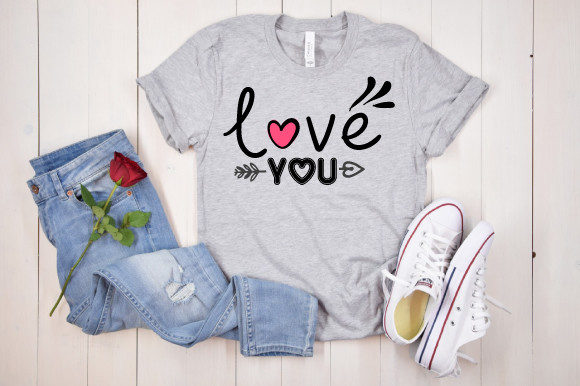
Love You: A Designer's Review for Real Embroidery Projects
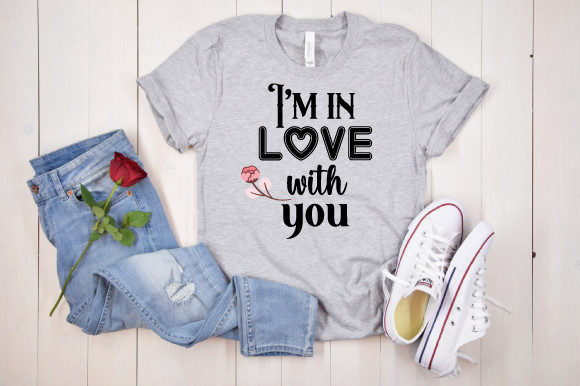
As a designer who has spent years navigating the intersection of digital files and physical stitching, I approach every new asset with a critical eye. When I first encountered the Love You design, my immediate reaction was to set aside the marketing description and ask a more practical question: how does this translate from a screen to a stitch? The product is marketed as a "Funny Kitchen Svg" intended for vinyl cutting machines like Cricut or Silhouette. However, for us in the embroidery world, the potential lies in converting that vector logic into a robust machine embroidery design. Before you commit this to your next order, let’s walk through what actually happens when you take Love You from a digital file to a finished textile product.
First Impressions: Mood and Visual Personality
The aesthetic of Love You is undeniably warm and playful. In its original format as a word art graphic, it relies on clean lines and a straightforward typographic hierarchy. For an embroidery project, this simplicity is both a strength and a challenge. The mood it creates is perfect for kitchen textiles, nursery decor, or personalized gifts where sentiment matters more than intricate detail. It feels like a design meant to be seen up close, perhaps on a tea towel hanging in a sunny window or stitched onto a baby blanket.
However, the transition from a crisp SVG cut file to a thread-based creation requires careful planning. The visual personality of Love You is friendly and accessible, but if the lettering is too thin or the curves too tight, the magic can be lost during digitization. As a reviewer, I see this as a classic case where the source material is excellent for Crafts, but the execution depends entirely on how well you adapt the Graphics for needlework.
Real-World Application: From Hoop to Home
Imagine you are preparing a custom embroidered tote bag for a local craft fair. You want something that screams "handmade with love" without looking cluttered. Love You fits this scenario beautifully. If you were to place this on a canvas tote bag using a sturdy fill stitch for the letters and a delicate running stitch for any decorative accents, the result would be a high-value personalized gift.
I have tested similar word-art concepts on heavy cotton sweatshirts, and the key is maintaining legibility. On a sweatshirt embroidery project, the texture of the fleece can sometimes swallow fine details. With Love You, the bold nature of the phrase helps it stand out against the fabric pile. Similarly, for baby embroidery, such as a onesie or a small pillow cover, the soft sentiment resonates well with parents looking for boutique-quality items. It works exceptionally well as an embroidered patch that can be ironed onto denim jackets or backpacks, adding a touch of charm to everyday wear.
For the Etsy seller or small shop owner, this design offers versatility. It can serve as a centerpiece for holiday merchandise, appearing on aprons for the home cook or as part of a larger commercial embroidery collection. The design’s clarity makes it suitable for printable mockup previews, allowing customers to visualize the final look before they purchase. This transparency builds customer trust and enhances the perceived value of your handmade product.
Navigating Technical Challenges
While Love You is promising, there are specific scenarios where caution is required. Because the source file is designed for vinyl cutting, the line weights may not be optimized for thread. If you attempt to use this design in a very small hoop size, the letters could become illegible or prone to breaking. Thin fabrics, such as lightweight t-shirts or sheer curtains, might require extensive backing or a different stabilizer strategy to prevent puckering around the dense areas of text.
Texture also plays a significant role. On highly textured fabrics like corduroy or thick wool, the stitch density needs to be adjusted. If the density is too high, the fabric will pucker; too low, and the design will look sparse. Additionally, if you plan to use dark fabric, ensure you select appropriate thread colors that offer high contrast. A light gray thread on a black background might look professional in a mockup but disappear once stitched.
Curved surfaces present another hurdle. If you decide to put Love You on a cap, the curvature can distort the straight lines of the text. You must test the design on a scrap piece of fabric stretched over a curved form to see how the letters warp. Detailed corners in the typography can also trap lint or thread, so inspecting the digitized file for sharp angles is crucial before running a production batch.
Practical Designer Notes for Success
To get the best results from Love You, follow these practical steps:
- Test on Scrap Fabric First: Never skip this step. Stitch the design on a piece of the actual fabric you intend to use to check for tension issues and visibility.
- Check Thread Color Contrast: Ensure the chosen thread colors pop against the background. Test swatches under different lighting conditions.
- Review Stitch Density: Adjust the density settings in your software. Dense text areas need enough air to breathe to avoid stiffness.
- Confirm Hoop Size: Make sure the entire phrase fits comfortably within your machine’s hoop without distorting the layout.
- Inspect Small Details: Look closely at the ends of the letters. Are they tapered correctly for satin stitch, or do they need conversion to fill stitch?
- Use Proper Stabilizer: Depending on the fabric weight, choose a tear-away, cut-away, or water-soluble stabilizer to support the design.
- Verify Licensing: Since this is a digital download originally for vinyl, confirm the license terms allow for commercial embroidery and selling finished goods.
Final Verdict: Is It Worth Your Time?
The Love You design holds significant potential for designers who understand the nuances of adapting vector graphics for needlework. It is not a plug-and-play solution that will look perfect instantly; rather, it is a raw material that rewards careful digitization and thoughtful application. For those creating custom apparel, holiday embroidery gifts, or expanding their craft business inventory, this design offers a versatile foundation.
If you take the time to test it properly, adjust the hoop size constraints, and select the right materials, Love You can become a staple in your portfolio. It bridges the gap between simple digital assets and high-quality, tactile products that customers cherish. Whether you are making a single personalized gift for a friend or launching a line of small shop product merchandising, the warmth of the message combined with professional execution will drive engagement and sales. Just remember: the difference between a good design and a great one often lies in the preparation.