Pretty Little Bunny Svg Design Review
As a designer who has spent years translating digital files into tangible thread on fabric, I approach every new asset with a mix of excitement and skepticism. The market is flooded with Graphics that look stunning on a screen but fall apart under the needle. Today, I am putting the Pretty Little Bunny Svg Design through its paces to see if it holds up for real-world crafts and commercial projects. This isn't just about whether the bunny is cute; it is about whether this specific design can survive the rigors of an embroidery machine and still deliver a professional finished product.
First Impressions: Mood and Visual Personality
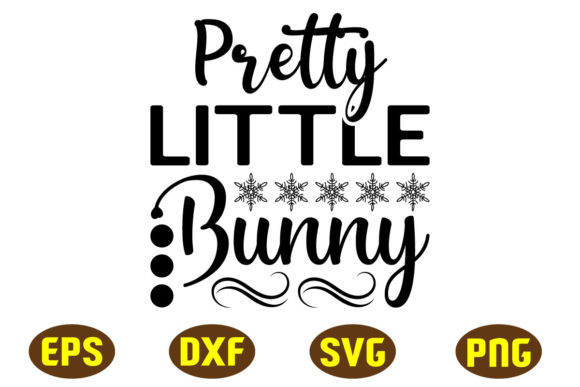
When I first opened the digital embroidery file for the Pretty Little Bunny Svg Design, the immediate vibe was one of soft nostalgia. The lines are clean, avoiding the jagged edges that often plague low-resolution vector conversions. For an embroidery project, this clarity is non-negotiable. The shape suggests a character that is approachable and gentle, making it an ideal candidate for baby embroidery or spring-themed custom apparel. However, the true test lies in how these smooth curves translate into stitch paths. A design that looks perfect in SVG format can become a tangled mess if the node count is too high or if the curves are not optimized for a fill stitch conversion.
The layout feels balanced, which is crucial when you are planning a tote bag design or a centered chest logo on a sweatshirt. It does not feel top-heavy or awkwardly stretched. In my experience, designs with a solid visual center tend to perform better on curved surfaces like caps or the rounded shoulders of a hoodie. The Pretty Little Bunny Svg Design seems to have a natural focal point, which helps guide the eye even from a distance. This is a key factor for Etsy sellers and boutique owners who need their products to pop in online printable mockups and in-store displays alike.
Real-World Application: From Screen to Stitch
Let's imagine a specific scenario: I am preparing a batch of personalized tote bags for a local craft fair. The goal is to create a charming, durable item that customers will want to carry daily. If I were using the Pretty Little Bunny Svg Design here, I would immediately think about the stitch density. Tote bags are often made of canvas, a textured fabric that requires a slightly heavier hand than delicate cotton. The design needs enough definition to stand out against the weave without becoming so dense that it stiffens the fabric.
In this context, the bunny's features would likely require a combination of satin stitch for outlines and running stitch for finer details like whiskers or inner ear shading. The challenge with any animal design is maintaining the "fluffiness" without over-stitching. If the machine embroidery design file is too aggressive with the fill, the bunny could look blocky rather than soft. Conversely, if it is too sparse, the white background of the thread might show through on darker fabrics. This is why I always recommend testing the thread colors on a scrap piece of the actual material before committing to a full run.
Consider another use case: holiday embroidery on a pillow cover. Here, the Pretty Little Bunny Svg Design could serve as a seasonal accent. The design's simplicity makes it versatile enough to be paired with other elements, such as flowers or Easter eggs, creating a cohesive scene. For a small shop product, versatility increases the return on investment. You can use the same base design for different seasons by simply changing the color palette or adding minor embroidered accents. This flexibility is a hallmark of high-quality design assets that support a growing craft business.
Navigating Fabric Challenges and Limitations
While the Pretty Little Bunny Svg Design shows promise, there are specific situations where caution is required. Embroidery is unforgiving on certain materials. If you plan to use this design on thin or stretchy fabric, such as a lightweight t-shirt or a jersey knit, you must prioritize the correct stabilizer. Without adequate backing, the tension of the stitches can cause the fabric to pucker, distorting the bunny's shape and ruining the aesthetic appeal.
Similarly, dark fabric presents a unique challenge. Light-colored threads, which are common for bunnies, require a dense underlay to prevent the dark background from showing through. If the embroidery file does not include a robust underlay layer, the finished result may look muddy or undefined. Always inspect the digitized layers before stitching. Additionally, avoid placing this design on highly textured fabrics like corduroy or thick fleece unless you are prepared for potential registration issues where the thread sinks into the grooves of the fabric.
Curved surfaces like caps also demand attention. The Pretty Little Bunny Svg Design should be tested on a cap hoop to ensure the curves do not distort during the stitching process. Small details, such as tiny eyes or nose dots, can easily get lost or shift on a curved surface. If the design includes tiny lettering alongside the bunny, be extremely careful; text smaller than 0.5 inches often becomes illegible once stitched. In such cases, simplifying the text or opting for a larger hoop size is essential for maintaining professionalism.
Professional Standards and Business Viability
For apparel decorators and handmade shop owners, the quality of the design directly impacts customer trust. A poorly executed stitch job signals a lack of care, whereas a crisp, well-defined embroidered patch elevates the perceived value of the item. The Pretty Little Bunny Svg Design has the potential to enhance your brand consistency if used correctly. It offers a friendly, recognizable motif that can become part of your signature style.
However, before selling any personalized gift or commercial embroidery item featuring this design, you must confirm the licensing terms. Just because you purchased the Digital Download Only version does not automatically grant you the right to sell unlimited physical goods. Many designers offer different tiers of licensing for personal versus commercial use. Always review the terms to ensure you are compliant, especially if you plan to scale your production or list items on major platforms like Etsy.
Practical Designer Notes for Success
To get the most out of the Pretty Little Bunny Svg Design, follow these practical steps:
- Test on Scrap Fabric: Never skip the test run. Stitch the design on a scrap piece of your intended fabric to check for puckering, thread breaks, or misalignment.
- Check Thread Contrast: Ensure the chosen thread colors provide sufficient contrast against the fabric. Use a lighter underlay for dark backgrounds.
- Verify Hoop Size: Confirm that the design fits comfortably within your machine's hoop size without stretching the edges.
- Inspect Small Details: Zoom in on the digitized file to ensure no tiny areas are too small to stitch effectively.
- Mockup Testing: Create black and white printable mockups to visualize the design's impact before investing in materials.
- Licensing Check: Double-check the license agreement to confirm you are authorized to sell the finished product commercially.
Ultimately, the Pretty Little Bunny Svg Design represents a solid opportunity for creators looking to add charm to their portfolio. With careful preparation, proper stabilization, and a keen eye for detail, this design can transform simple fabric into a cherished keepsake or a profitable small shop product. Whether you are making a single personalized gift or launching a line of custom apparel, the key lies in respecting the limitations of the medium while maximizing the strengths of the design.